



Shop Now and Enjoy Our Mega Sale

Three Piece Suits: When and How to Wear Them

A three piece suit is a symbol of elegance, confidence, and careful attention to detail. It consists of a jacket, waistcoat, and trousers, creating a layered look that adds structure and sophistication. While many men admire its style, it can be challenging to know when and how to wear it. Choosing the right occasion, fit, and accessories makes all the difference between a polished, sharp look and an outfit that feels overdressed.Explore our 3 Piece Suits collection for inspiration.

Wearing a three piece suit communicates professionalism and refinement. It enhances your silhouette, creates a formal presence, and allows versatility even when the jacket is removed. With the right fit and accessories, it elevates your appearance in any formal or semi-formal setting, including options like The Refined Navy Blue Three Piece Suit or The Classic Tan Three Piece Suit.

Structure of a Three Piece Suit

Understanding the components of a three piece suit is the first step to wearing it confidently.

  1. The Jacket
    The jacket provides the outer layer and shapes your overall silhouette. A well fitted jacket should:
  • Align naturally at the shoulders without drooping or pulling
  • Fit the chest and waist snugly but comfortably, maintaining a clean line
  • Have sleeves long enough to show a bit of the shirt cuff for a polished look
  • Be chosen in single or double breasted styles depending on personal preference and occasion

  1. The Waistcoat (Vest)
    The waistcoat adds sophistication and depth, completing the layered look. It should:
  • Cover the waistband of your trousers and keep your shirt neat and tucked
  • Fit snugly without gaping or pinching, allowing freedom of movement
  • Work both with the jacket on or off, maintaining a structured appearance
  • Be shorter for shorter torsos and longer for taller frames to maintain proportion

  1. The Trousers
    Trousers complete the three piece suit and should:
  • Match the jacket in fabric and color for a cohesive look
  • Fit comfortably at the waist, with a slight taper toward the ankle
  • Maintain a clean break over your shoes. Avoid overly long or baggy trousers that can disrupt the overall silhouette

Together, these elements create a suit that looks intentional and tailored, projecting confidence and elegance.

Key Benefits of a Three Piece Suit

A three piece suit is not just stylish, it also offers practical benefits:

  • Enhances your silhouette and posture, making you appear taller and more confident
  • Adds depth, structure, and sophistication to any formal or semi formal outfit
  • Maintains a polished look even if the jacket is removed
  • Communicates attention to detail and professionalism
  • Provides versatility for different events without losing formality

Best Occasions to Wear a Three Piece Suit

A three piece suit is perfect for formal and semi formal settings. Consider it for:

  • Weddings and Celebrations: Ideal for grooms, groomsmen, and close family. Light colors suit daytime events, while darker shades are better for evening ceremonies. See options in 3 Piece Suits.

  • Formal Dinners and Galas: Adds sophistication and elegance to your appearance

  • High Profile Business Functions: Projects authority, professionalism, and confidence

  • Cultural or Traditional Ceremonies: Meets formal standards while keeping your style polished

When to Avoid

  • Casual outings or weekend meetups
  • Daily office wear unless your workplace enforces a strict formal dress code

Standard job interviews where a 2 Piece Suit is sufficient.

Accessories and Shoes

Accessories enhance your suit without overpowering it. Choose them carefully:

  • Tie or Bow Tie: Coordinate color and pattern with the suit
  • Pocket Square: Adds personality; match or complement your tie
  • Watch and Cufflinks: Keep them minimal for elegance
  • Belt: Match the leather to your shoes
  • Shoes: Stick to classic leather styles like oxfords, brogues, loafers, or monk straps. Avoid casual shoes like sneakers

Accessorizing correctly ensures your outfit looks complete and intentional.

Mistakes to Avoid

Even a high quality suit can look off if you make common mistakes. Watch for:

  • Poor Fit: Shoulders must align, waistcoat should close smoothly, and trousers should sit comfortably with a slight taper
  • Incorrect Jacket Length: Jackets should cover your seat. Too short or too long disrupts proportion
  • Wrong Trouser Break: Trousers should lightly touch your shoes. Excess fabric pooling or overly short pants looks sloppy
  • Over Accessorizing: Keep it simple. Tie, pocket square, and watch are enough
  • Ignoring Fabric and Color Coordination: Ensure all three pieces are from the same fabric family. Avoid mixing casual and formal materials
  • Shirt and Tie Fit Errors: Collar should fit comfortably; tie should reach the belt buckle
  • Footwear Mistakes: Only classic leather shoes complement a three piece suit

Avoiding these errors ensures a polished, confident, and sophisticated appearance.

Mastering the Three Piece Suit

A three piece suit communicates elegance, confidence, and attention to detail. Pairing it with the right accessories and shoes creates a complete, refined look. Choosing the correct fit, knowing when to wear it, and avoiding common mistakes ensures you always make a strong impression.

Invest in a quality suit and understand its components.  A well-fitted three piece suit enhances posture, style, and presence, leaving a lasting impression at weddings, proms, business events, or any formal occasion.
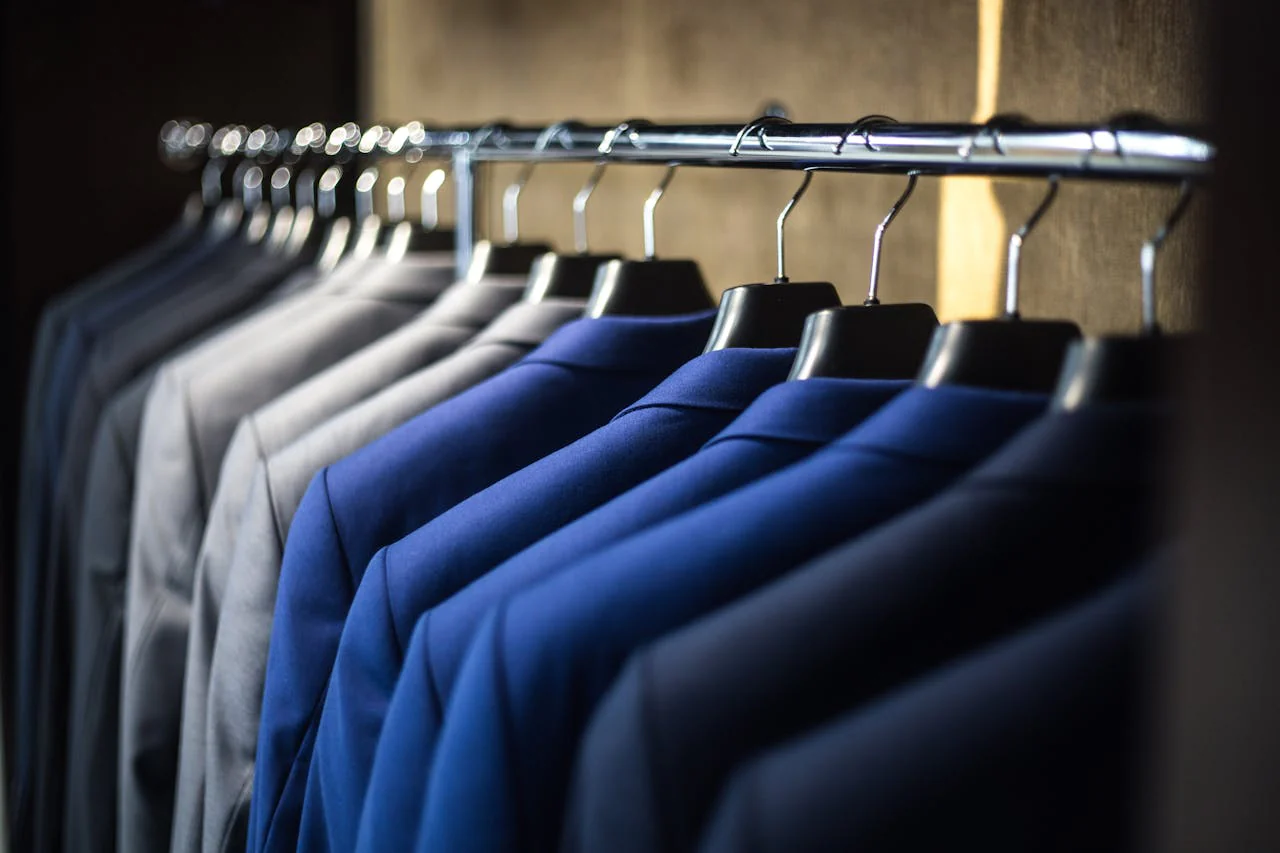
A Guide to Men's Suit Types

A great suit is much more than fabric and stitching. A well crafted suit defines your presence and expresses your style. Choosing a suit without understanding its type can result in poor fit, discomfort, and an overall look that undermines your confidence. Even an expensive suit can appear sloppy, unbalanced, or inappropriate if it does not complement your body or suit the occasion.

Suits are generally classified into two main types: Fit and Style. Fit determines how the jacket and trousers outline your body, with the main categories being Classic, Slim, Modern, and Tailored, each offering a distinct silhouette and level of comfort. Style refers to the jacket’s front design and button configuration, with Single Breasted and Double Breasted being the most prominent options, influencing formality, authority, and visual impact.

By understanding both Fit and Style, you can choose a suit that enhances your body, suits the occasion, and reflects your personal taste. The right combination ensures that every suit you wear feels intentional, polished, and effortlessly sophisticated. Our collection of 2 piece suits and 3 piece suits offers options for every preference.

Suits Based on Fit

Classic Fit Suit

The Classic Fit is timeless. Its jacket allows relaxed movement across the chest and waist, while straight leg trousers maintain structure. This fit exudes confidence and elegance without effort.

Why Choose Classic Fit
It offers comfort and grace, allowing natural movement while projecting authority. Its enduring silhouette reflects experience and confidence.

Who Looks Best
Men with broad shoulders, larger frames, or medium builds. Professionals in corporate, law, or traditional sectors benefit from its dignified presence.

Ideal Occasions
Business meetings, weddings, formal gatherings, and ceremonial events where tradition and poise are essential.

For a refined example, explore The Classic Tan Three Piece Suit.

How to Carry It
Let the jacket fall naturally to the hand midpoint. Pair with crisp shirts and polished shoes, and maintain a poised posture.

Common Mistakes That Undermine Classic Fit

  • Jackets that are too long or too loose, creating a sloppy appearance
  • Excess fabric in the shoulders that droops or sags
  • Trousers that are too wide or create unnecessary pooling at the shoes


Accessories That Complement Classic Fit

  • Silk ties in solid or subtle stripe patterns
  • Polished Oxford shoes
  • Leather strap watches
  • Pocket squares in clean folds
  • Coordinated belt and shoes
  • Minimalist cufflinks

Slim Fit Suit

Slim Fit suits highlight the natural shape of the body, offering a sleek and contemporary silhouette. Narrow sleeves, tapered trousers, and a defined waist create an energetic, modern impression.

Why Choose Slim Fit
It conveys style, confidence, and refinement. The clean lines create the effect of height and sharpness, perfect for those who favor a modern aesthetic.

Who Looks Best
Men with lean or athletic builds. Ideal for professionals in creative fields or contemporary office environments. Younger men who want a fashion forward look.

Ideal Occasions
Evening events, networking gatherings, engagement functions, and settings where a stylish appearance is appreciated.

How to Carry It
Ensure fitted shirts prevent bunching under the jacket. Maintain a tall posture. Trousers should have minimal or no break to preserve clean lines.

Common Mistakes That Undermine Slim Fit

  • Jackets that are too tight, causing pulling across the buttons
  • Excess fabric in the waist or sleeves, destroying the sleek silhouette
  • Trousers that are too long or too loose, which breaks the refined lines

Accessories That Complement Slim Fit

  • Narrow ties or open collars for relaxed elegance
  • Slim lace up shoes or leather loafers
  • Sleek metal watches
  • Minimalist glasses
  • Pocket square in a point or puff fold
  • Slim wallet or cardholder

Modern Fit Suit

Modern Fit suits balance shape and comfort. Slightly tapered yet relaxed, this fit works for most body types and transitions seamlessly between professional and social environments.

Why Choose Modern Fit
It offers a contemporary silhouette without restricting movement, providing versatility and effortless style.

Who Looks Best
Men with medium builds seeking a suit that complements both work and evening engagements.

Ideal Occasions
Business travel, conferences, semi-formal dinners, and daytime to evening transitions.

How to Carry It
Button the jacket while standing, leave it open while seated. Use naturally fitting shirts to enhance the silhouette.

Common Mistakes That Undermine Modern Fit

  • Jackets that are too tight in the chest or loose in the waist
  • Trousers that are either too tapered or too wide below the knee
  • Overaccessorizing, which disrupts the suit’s balanced aesthetic


Accessories That Complement Modern Fit

  • Medium width silk ties
  • Derby or monk strap shoes
  • Refined leather watches
  • Cotton or linen pocket squares
  • Matching leather belt
  • Structured briefcase or document holder

Tailored Fit Suit

Tailored Fit suits are crafted for exact measurements, creating a flawless silhouette. Every detail, from shoulder seams to trouser length, is precisely considered.

Why Choose Tailored Fit
It removes common fit challenges, emphasizes natural proportions, and projects effortless authority and sophistication.

Who Looks Best
Ideal for men who value exact proportions and attention to detail. Perfect for weddings, executives, entrepreneurs, or anyone seeking a commanding presence.

Ideal Occasions
Weddings, luxury dinners, award ceremonies, and high profile business engagements.

How to Carry It
Move naturally. The suit is designed to follow your form seamlessly. Choose quality fabrics, respect the structure, and maintain confident posture.

Common Mistakes That Undermine Tailored Fit

  • Poorly measured or altered jackets that create pulling or sagging
  • Inconsistent sleeve length hiding shirt cuffs or watch
  • Trousers that fail to match the exact length, causing pooling or an uneven line


Accessories That Complement Tailored Fit

  • Silk or cashmere ties
  • High quality leather shoes
  • Elegant dress watches
  • Personalized cufflinks
  • Pocket squares with refined folds
  • Subtle fragrance

Suits Based on Style

Single Breasted Suits

Single breasted jackets feature one column of buttons with a narrow overlap of fabric.

Why Choose Single Breasted
It is versatile, refined, and timeless. Suitable for nearly all professional and social occasions.

Who Looks Best
All body types. Perfect for business, casual, and semi-formal events.

Ideal Occasions
Suitable for interviews, office meetings, networking events, and weddings. A stylish choice is The Olive Green Three Piece Suit.

How to Wear It
Button the top button while standing and leave the bottom unbuttoned. Pairs seamlessly with all fits from Classic to Tailored.

Common Mistakes That Undermine Single Breasted Suits

  • Buttoning all buttons, creating a stiff, unnatural line
  • Choosing a jacket cut that does not align with body shape
  • Ignoring proper sleeve length, which can make the suit appear sloppy


Accessories That Complement Single-Breasted

  • Standard width tie
  • Oxford, derby, or loafers
  • Sleek minimalist watch
  • Pocket square for understated elegance

Double Breasted Suits

Double breasted jackets feature two parallel columns of buttons and a broader front overlap.

Why Choose Double Breasted
It exudes authority, elegance, and a commanding presence. The wider front visually broadens the chest and defines the waistline.

Who Looks Best
Men with lean, athletic, or medium builds seeking a strong, sophisticated statement.

Perfect Occasions
Great for formal events, weddings, award ceremonies, high-profile meetings, and luxury dinners. For a commanding look, consider The Modern Slim Fit Blue Suit.

How to Wear It
Always keep the jacket buttoned while standing. Best combined with Slim, Modern, or Tailored fits for a sharp silhouette.

Common Mistakes That Undermine Double Breasted Suits

  • Wearing it with too much fabric in the torso, creating a boxy look
  • Choosing a fit that is too loose or too tight, disrupting the elegant lines
  • Leaving the jacket unbuttoned while standing, which ruins the intended shape


Accessories That Complement Double Breasted

  • Silk ties
  • Polished leather shoes
  • Elegant cufflinks
  • Pocket squares in classic folds
  • Leather belt matching shoes

Key Points to Remember

Every suit tells a story. Fit shapes your silhouette and ensures comfort, while style conveys authority, elegance, and intention.

  • Classic Fit: Timeless, confident, and grounded

  • Slim Fit: Modern, sharp, and energetic

  • Modern Fit: Balanced, versatile, and effortlessly stylish

  • Tailored Fit: Flawless, personal, and commanding

  • Single-Breasted: Approachable, versatile, and enduring

  • Double-Breasted: Powerful, structured, and distinguished

A carefully selected suit, complemented by thoughtful accessories, elevates your presence and communicates refinement without words. True elegance lies in attention to detail, confident posture, and the perfect harmony of fit and style. Understanding the two main types, Fit and Style, ensures you invest wisely in your wardrobe. Fit guarantees comfort and silhouette. Style communicates authority, elegance, and personality. Avoiding the common mistakes outlined for each type ensures that every suit communicates precision and sophistication.

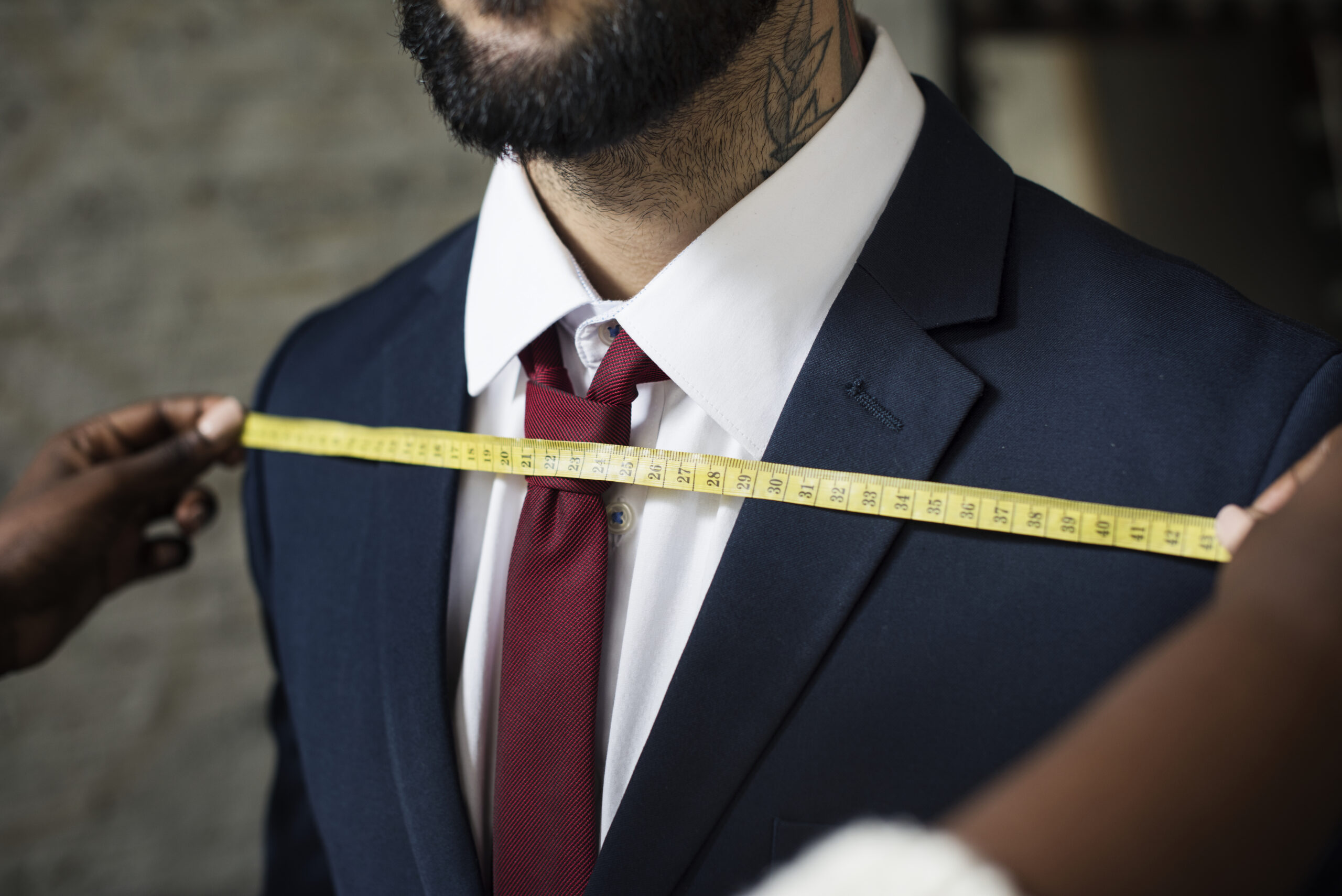
How to Take Perfect Suit Measurements

A perfectly fitted suit begins with precise measurements. Without them, even the most expensive suit can look sloppy, feel uncomfortable, and fail to enhance your presence. Understanding how to measure yourself ensures your suit collection complements your body, fits your style, and elevates your confidence.

Taking proper measurements is more than a technical step. It is the foundation of dressing with authority, elegance, and intention. Every inch matters, from your shoulders to the hem of your trousers. This guide covers all essential measurements, explains how each affects the fit, and provides practical tips so you can measure yourself at home or communicate clearly with your tailor.

Why Accurate Measurements Matter

Accurate measurements are the backbone of a flawless suit. Small errors can create major problems:

  • Tight shoulders that restrict movement
  • Jackets that pull across the chest or waist
  • Trousers that sag, bunch, or appear baggy
  • Shirt collars that pinch or gape


Correct measurements ensure:

  • Comfort throughout the day
  • A polished and balanced appearance
  • Proper proportions for your body type
  • Confidence in every posture and movement


Knowing your exact numbers allows you to select off-the-rack suits,
made-to-measure options, or fully tailored suits with confidence.

Tools You Will Need

Before starting, gather:

  • Soft measuring tape
  • Full length mirror
  • Notebook or phone to record measurements
  • A helper for shoulders, back, and sleeve measurements
  • Flat surface to stand on
  • Fitted t-shirt or thin layer of clothing for precision

How to measure

Jacket Measurements

The jacket is the centerpiece of your suit, dictating your overall frame and silhouette. We start with the jacket because it sets the foundation for the entire suit.

The Shoulders: Measure from edge to edge across your upper back, starting and ending where your shoulder bones meet your arms. Correct shoulder measurements prevent the fabric from drooping or pulling, ensuring the jacket moves with you.

The Chest: Wrap the tape around the fullest part of your chest, keeping it snug but allowing enough room for a finger to slip behind the tape. A proper chest fit allows for a sharp silhouette that doesn’t “break” when you move your arms.

The Waist: This is measured around your natural waistline, usually near the navel. This defines the jacket’s taper; an incorrect measurement here can make the garment look either boxy and loose or uncomfortably tight when buttoned.

Jacket and Sleeve Length: Measure from the shoulder seam at the neck down to the desired hem (usually covering the seat). For the sleeves, measure from the shoulder seam to the wrist bone with a slightly bent elbow. This ensures just enough of your shirt cuff is visible—the hallmark of a well-dressed man.

Bicep and Armhole: Finally, measure the fullest part of your upper arm and the circumference of the armhole joint. This is vital for mobility, ensuring you can reach and move without feeling the fabric pinch or sag.

Height Guidance for Jacket:

 If you are under 5’8″, a slightly shorter jacket helps maintain better proportions for your legs. Conversely, those over 6’3″ benefit from a longer jacket to balance their taller frame.

Additional Tips:

  • Always stand straight with a relaxed posture
  • Ask a helper for accurate shoulder and sleeve measurements


Vest Measurements

If opting for a 3 Piece Suits , the vest acts as a streamlined bridge between jacket and trousers. It sits closer to the body, leaving little room for error.

Chest
Wrap the tape around the fullest part of your chest, snug but comfortable to allow a neat closure without pulling or gaping.

Waist
Circle the tape around your natural waist just above the hips to ensure the vest remains streamlined.

Back Length
Measure from the base of your neck down to where the vest meets the trousers, so it aligns properly with the jacket and pants.

Shoulders and Armholes
Assess from shoulder edge to edge and around the armhole for a comfortable fit that allows mobility while keeping the vest neat under the jacket.

Height Guidance for Vest:

If you are under 5’8″, a shorter vest helps maintain balanced proportions. For those over 6’3″, a longer vest complements your taller frame and creates a harmonious silhouette.

Additional Tips:

  • Ensure the vest aligns neatly under your jacket
  • Avoid vests that are too loose; they can add bulk


Trousers Measurements

Your trousers provide the balance for your upper body. A well measured pair of pants should feel effortless while maintaining a clean, vertical line.

The Waist and Thigh: 

Measure exactly where you want the trousers to sit. While the waist ensures comfort and prevents sagging, measuring the fullest part of your thigh is what allows you to sit and walk without the fabric straining.

Knee and Ankle Width: 

These measurements dictate the taper of the leg. A natural taper from the knee to the ankle creates a balanced, modern look. The hem width should be wide enough to rest elegantly on your shoes without “pooling” or hiding the shoe’s shape.

Height Guidance for Trousers:

If you are under 5’8″, opting for slightly shorter trousers with a subtle break keeps your overall look balanced. On the other hand, individuals over 6’3″ should choose longer trousers to harmonize their height and create a more streamlined appearance.

Additional Tips:

  • Always measure trousers while standing naturally
  • Wear shoes for accurate hem alignment

Common Mistakes to Avoid

These mistakes can lead to an ill fitting suit that feels uncomfortable and looks unpolished.

  • Using a stiff tape instead of a soft one
  • Measuring over thick clothing
  • Slouching or changing posture during measurement
  • Forgetting to allow for natural movement
  • Ignoring minor differences between left and right sides

Measuring for Different Suit Styles

Different suits require slight adjustments in measurement focus:

  • Single Breasted Jackets: Prioritize shoulder width and chest to maintain a sleek front.
  • Double Breasted Jackets: Pay extra attention to chest and waist for correct overlap and structure.
  • Slim Fit Suits: Ensure bicep, waist, and thigh measurements are precise for a clean, modern silhouette.
  • Modern Fit Suits: : Focus on chest, shoulders, and sleeve length for balance and comfort.
  • Tailored Suits:  Every measurement matters to achieve a flawless, custom fit.

Final Advice for a Perfect Fit

Accurate measurements are the foundation of a suit that enhances your style, body, and presence. They guarantee comfort, elegance, and confidence in every movement. Measuring yourself or consulting a professional ensures that jackets, trousers, and shirts sit perfectly and harmoniously.

A well measured suit communicates authority, refinement, and attention to detail without words. Understanding your measurements is an essential investment in your style, comfort, and confidence. Knowing your numbers allows you to select suits that reflect sophistication, elevate your presence, and showcase timeless elegance.